


COMPRA SEGURA
Parcele suas compras em até 12 vezes
ENTREGA GARANTIDA
Enviamos para todo o país via Correios
FALE COM CONSULTOR
WhatsApp (47) 98824-2292


Mais Vendidos
Brindes
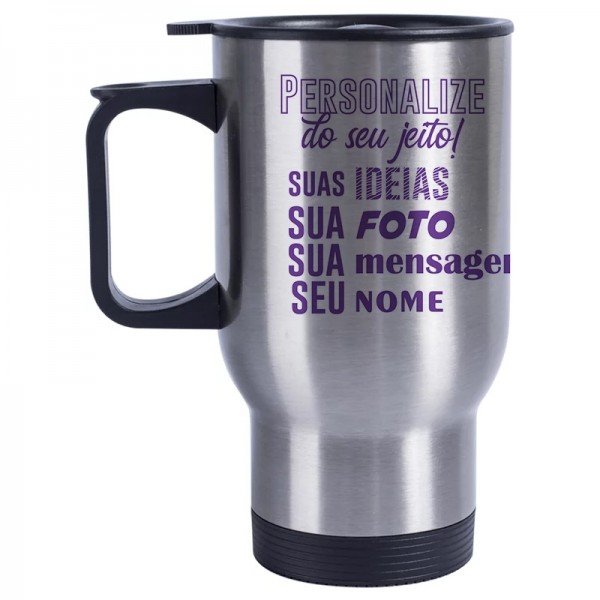
Copo Térmico Personalizado Inox Prata c/ Tampa Viagem 475 ml
R$89,90
em até 2x de R$44,95 sem juros sem juros
ou R$0,00 com 10% OFF no boleto
ou R$0,00 com 10% OFF no boleto
- Compre 5 por R$80,00 cada! Economize 11.01%
- Compre 10 por R$68,00 cada! Economize 24.36%
- Compre 20 por R$57,00 cada! Economize 36.6%
- Compre 50 por R$55,00 cada! Economize 38.82%
- Compre 200 por R$52,00 cada! Economize 42.16%
Brindes
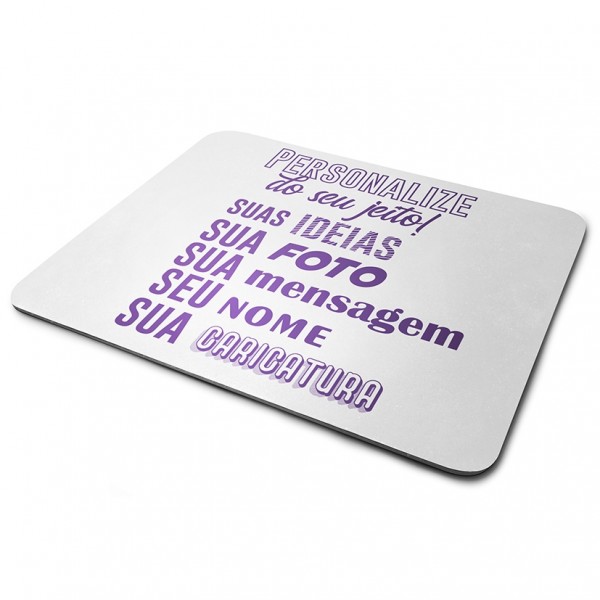
Mouse Pad Personalizado
R$39,90
em até 2x de R$19,95 sem juros sem juros
ou R$0,00 com 10% OFF no boleto
ou R$0,00 com 10% OFF no boleto
- Compre 5 por R$36,00 cada! Economize 9.77%
- Compre 10 por R$34,00 cada! Economize 14.79%
- Compre 20 por R$32,00 cada! Economize 19.8%
- Compre 50 por R$31,00 cada! Economize 22.31%
- Compre 200 por R$30,00 cada! Economize 24.81%
Canecas
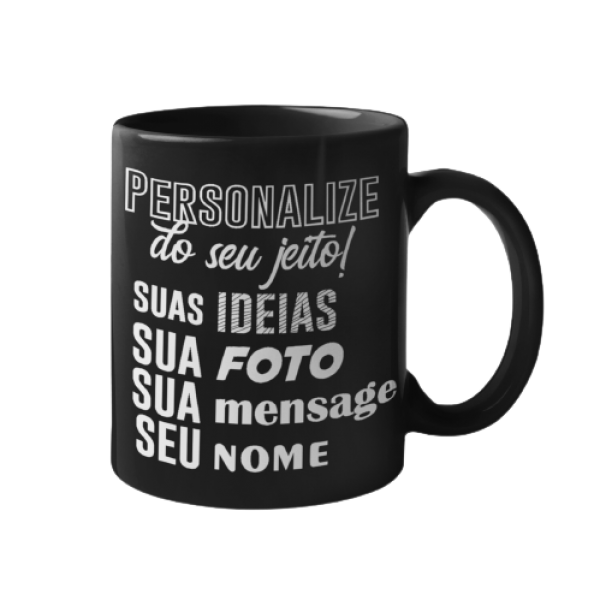
Caneca Preta Personalizada 325 ml
R$59,90
em até 2x de R$29,95 sem juros sem juros
ou R$0,00 com 10% OFF no boleto
ou R$0,00 com 10% OFF no boleto
- Compre 5 por R$53,00 cada! Economize 11.52%
- Compre 10 por R$45,00 cada! Economize 24.87%
- Compre 20 por R$38,00 cada! Economize 36.56%
- Compre 50 por R$30,00 cada! Economize 49.92%
- Compre 200 por R$27,00 cada! Economize 54.92%

Brindes
Caneca Esmaltada Personalizada c/ Borda Preta 235 ml
R$59,90
em até 2x de R$29,95 sem juros sem juros
ou R$0,00 com 10% OFF no boleto
ou R$0,00 com 10% OFF no boleto
- Compre 5 por R$53,00 cada! Economize 11.52%
- Compre 10 por R$48,00 cada! Economize 19.87%
- Compre 20 por R$46,00 cada! Economize 23.21%
- Compre 50 por R$44,00 cada! Economize 26.54%
- Compre 200 por R$42,00 cada! Economize 29.88%
Brindes
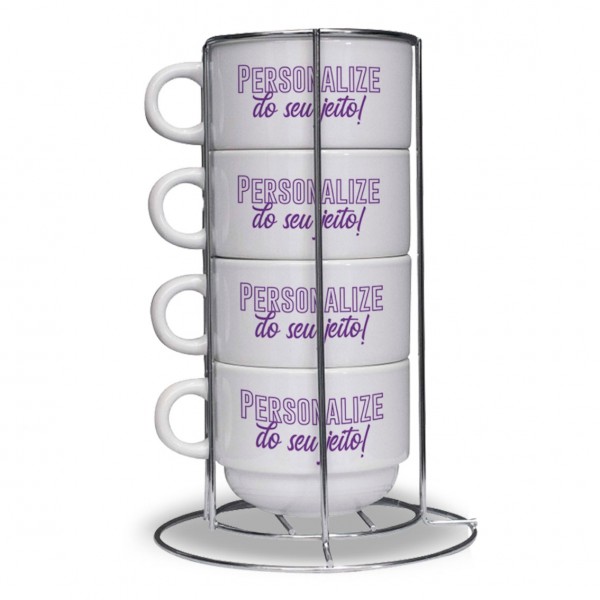
Kit 4 Xícaras Personalizadas c/ Suporte 150 ml
R$150,00
em até 2x de R$75,00 sem juros sem juros
ou R$0,00 com 10% OFF no boleto
ou R$0,00 com 10% OFF no boleto
- Compre 5 por R$132,00 cada! Economize 12%
- Compre 10 por R$125,00 cada! Economize 16.67%
- Compre 20 por R$120,00 cada! Economize 20%
- Compre 50 por R$115,00 cada! Economize 23.33%
- Compre 200 por R$110,00 cada! Economize 26.67%
Brindes
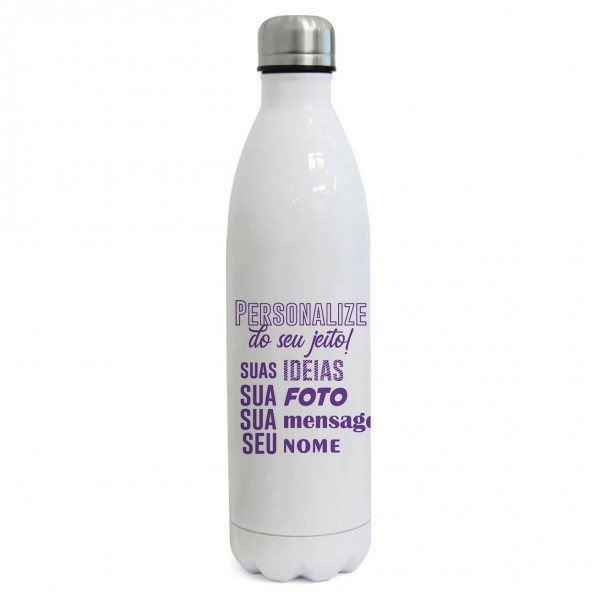
Garrafa Térmica Inox Personalizada Branca 450ml
R$110,00
em até 2x de R$55,00 sem juros sem juros
ou R$0,00 com 10% OFF no boleto
ou R$0,00 com 10% OFF no boleto
- Compre 5 por R$97,00 cada! Economize 11.82%
- Compre 10 por R$90,00 cada! Economize 18.18%
- Compre 20 por R$85,00 cada! Economize 22.73%
- Compre 50 por R$80,00 cada! Economize 27.27%
- Compre 200 por R$75,00 cada! Economize 31.82%
Caricaturas
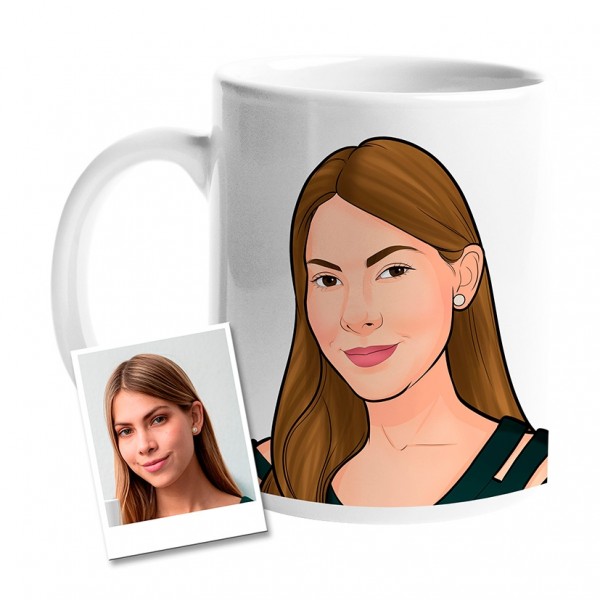
Caneca Sua Caricatura
R$69,00
em até 2x de R$34,50 sem juros sem juros
ou R$0,00 com 10% OFF no boleto
ou R$0,00 com 10% OFF no boleto
- Compre 5 por R$68,00 cada! Economize 1.45%
- Compre 10 por R$65,00 cada! Economize 5.8%
- Compre 20 por R$60,00 cada! Economize 13.04%
- Compre 50 por R$58,00 cada! Economize 15.94%
- Compre 200 por R$55,00 cada! Economize 20.29%
Brindes
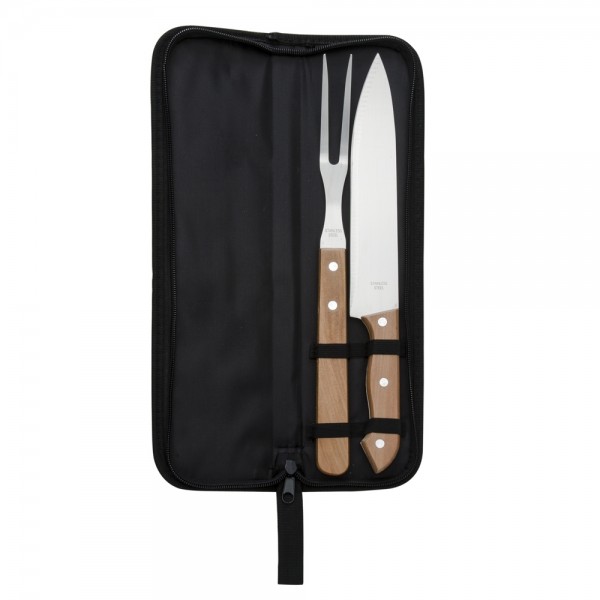
Kit Personalizado Churrasco 2 Peças
R$80,00
em até 2x de R$40,00 sem juros sem juros
ou R$0,00 com 10% OFF no boleto
ou R$0,00 com 10% OFF no boleto
- Compre 5 por R$75,00 cada! Economize 6.25%
- Compre 10 por R$70,00 cada! Economize 12.5%
- Compre 20 por R$68,00 cada! Economize 15%
- Compre 50 por R$65,00 cada! Economize 18.75%
- Compre 200 por R$60,00 cada! Economize 25%
O que você está procurando?

Dicas da AShow Brindes
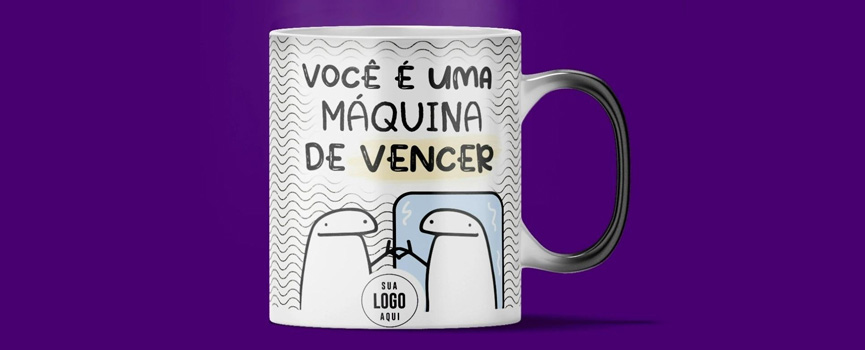
04 Setembro 2023
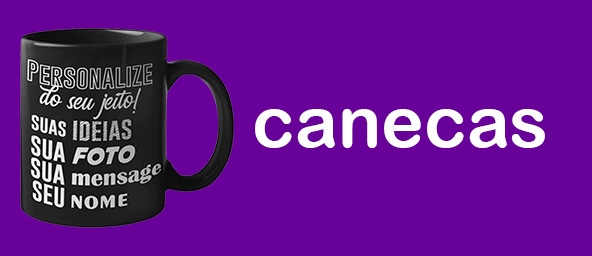
Canecas personalizadas com a sua marca
Canecas personalizadas com a sua marca e a sua estampa, acesse o site, veja as opções e solicite um orçamento!
Ler mais
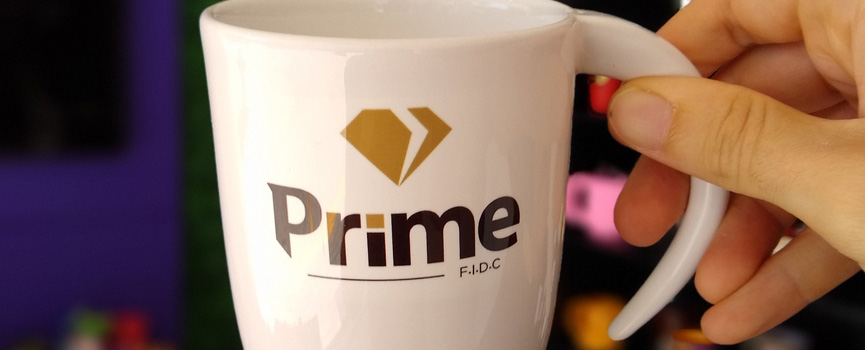
01 Setembro 2023
Brindes corporativos para sua empresa
Brindes personalizados para comemorações, clientes, colaboradores, marketing, RH e vendas! Veja nossas soluções e entre em contato
Ler mais
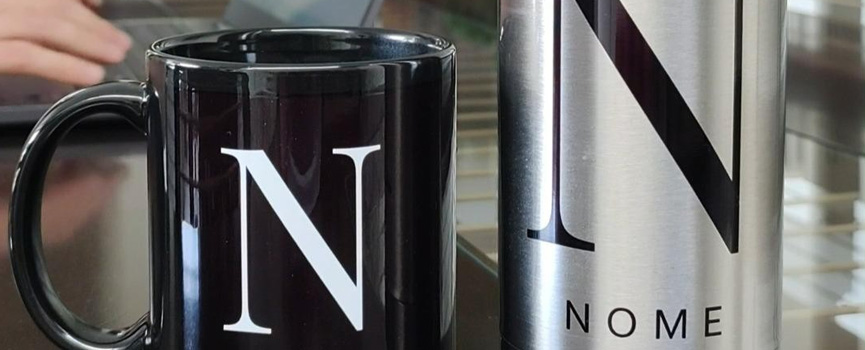
01 Setembro 2023
Brindes personalizados
Brindes personalizados para comemorações, clientes, colaboradores, marketing, RH e vendas! Veja nossas soluções e entre em contato.
Ler mais
